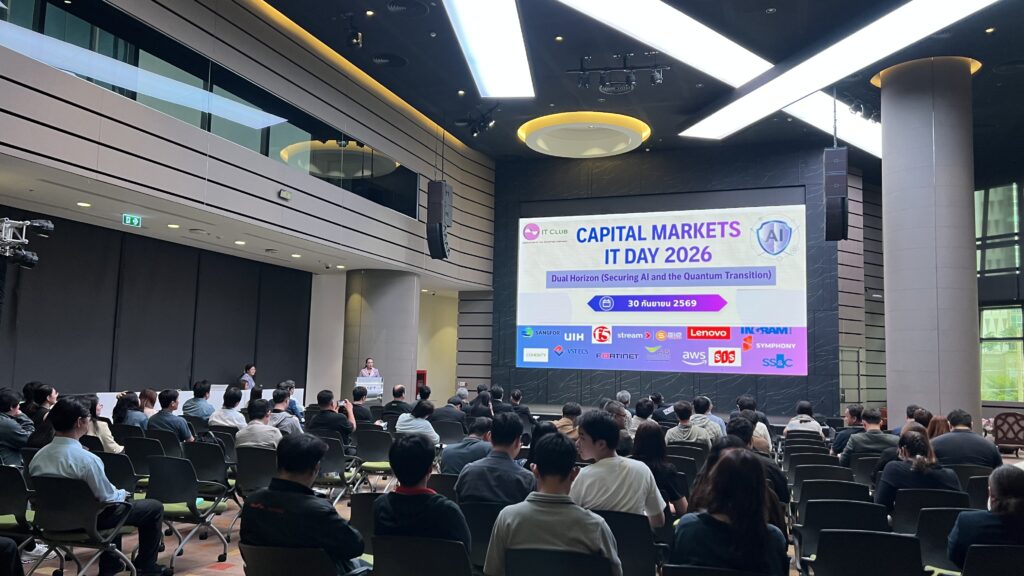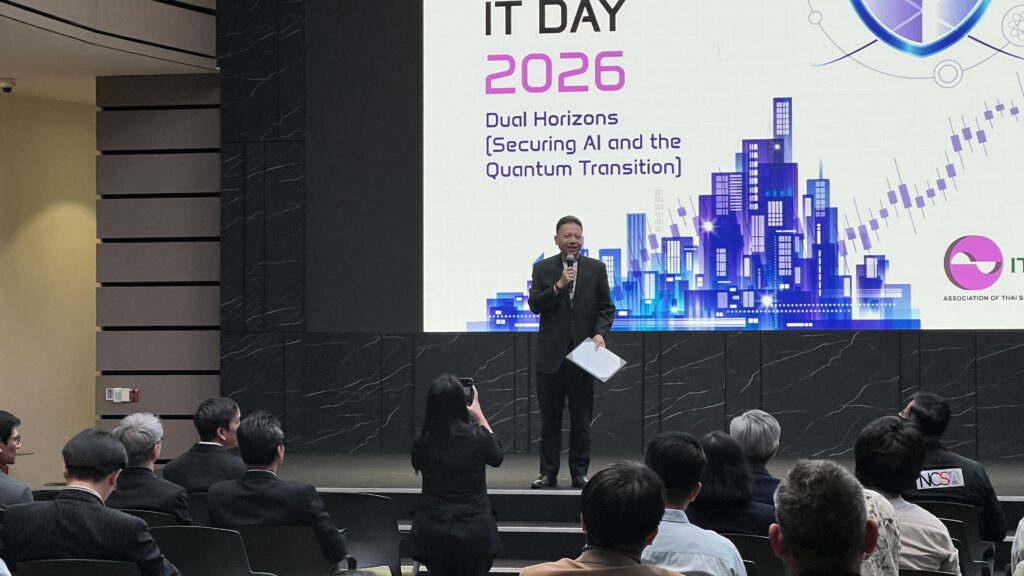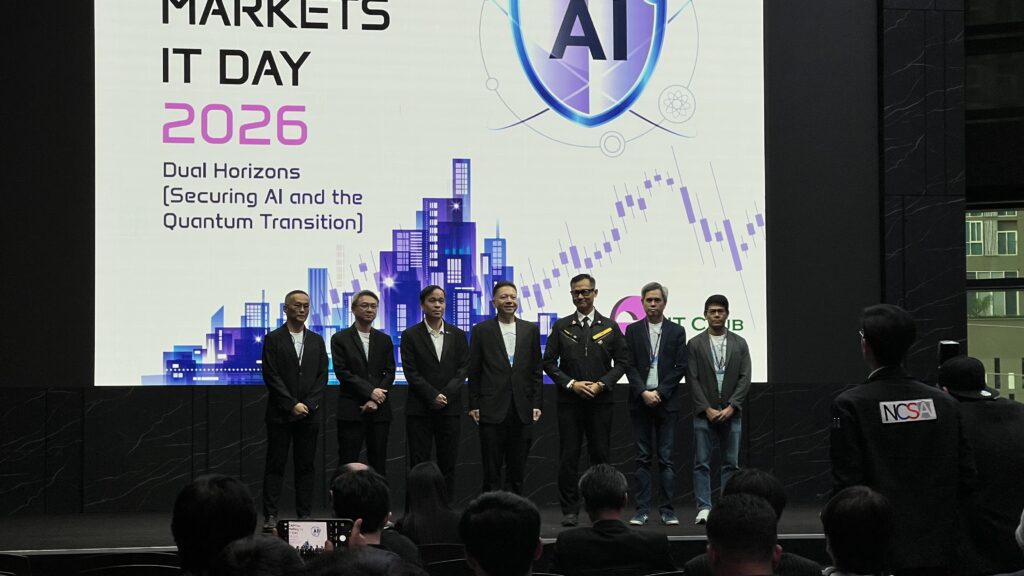
One of the key topics gaining increasing attention is the changing landscape of the Digital Certificate Lifecycle. The maximum validity period of Public TLS Certificates is being progressively shortened—from 200 days for certificates issued from March 15, 2026, to 100 days in 2027, and eventually to just 47 days from March 15, 2029, in line with the CA/Browser Forum roadmap.
This shift means organizations will need to issue, renew, and manage certificates far more frequently than before. For large enterprises, where certificates are often distributed across applications, APIs, servers, cloud environments, and other infrastructure, relying heavily on manual processes can introduce greater complexity and risk. These may include overlooked certificates, missed renewals, and unexpected expirations that could disrupt critical business services.
As a result, Certificate Lifecycle Management (CLM) is becoming increasingly important. CLM enables organizations to gain centralized visibility into their digital certificates, monitor certificate status, and automate key processes such as issuance, renewal, and revocation. Beyond reducing the operational workload for IT and Security teams, a structured certificate management approach can also help minimize the risk of certificate expiration, reduce the likelihood of service disruption, and improve control over a growing and increasingly complex cryptographic environment.
Certificate management, however, is only one part of the broader security landscape organizations are now facing. At the same time, AI is becoming more deeply embedded in business systems and operational processes, while advances in Quantum Computing are prompting organizations to reassess the readiness of their existing cryptographic infrastructure.
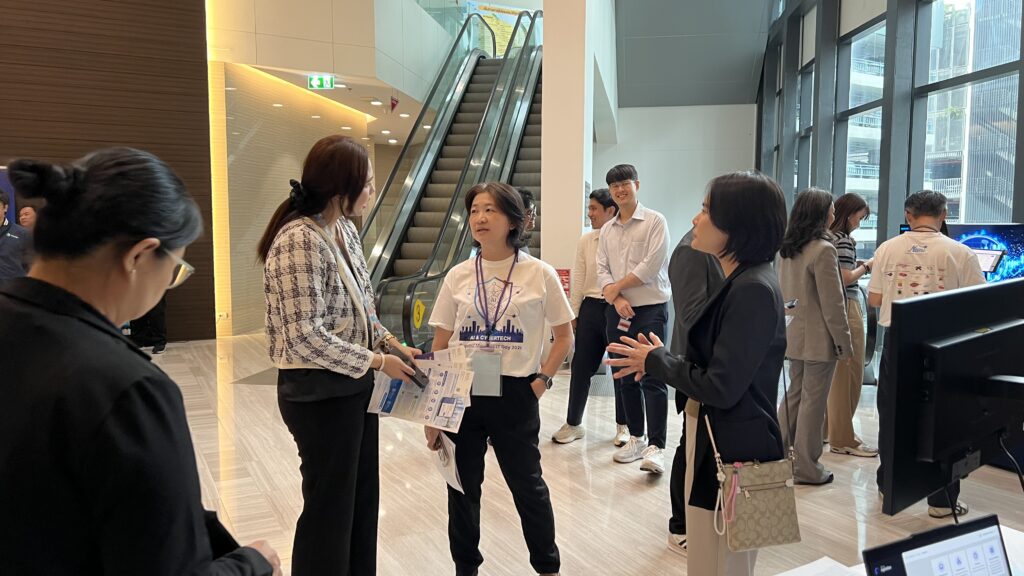
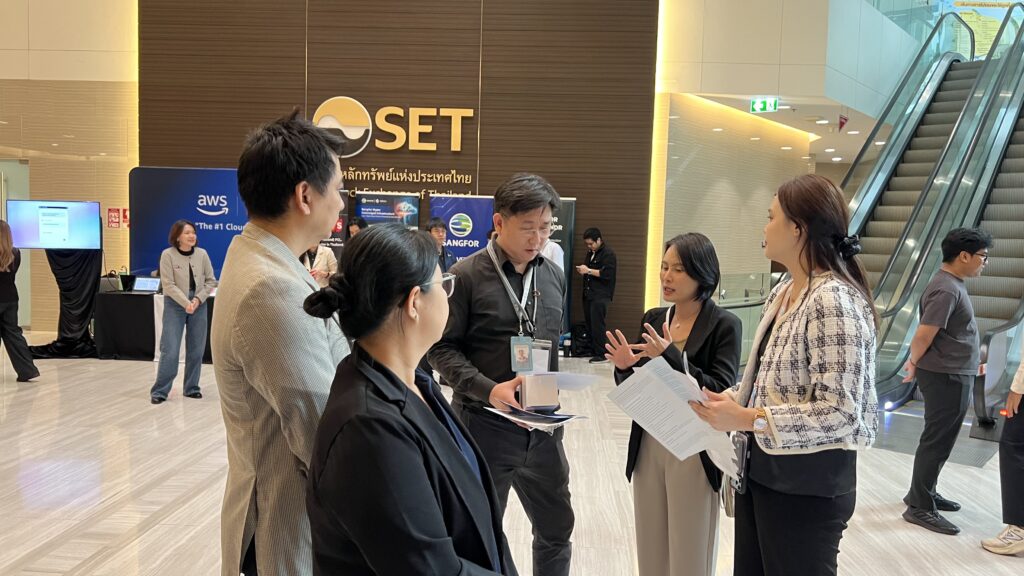
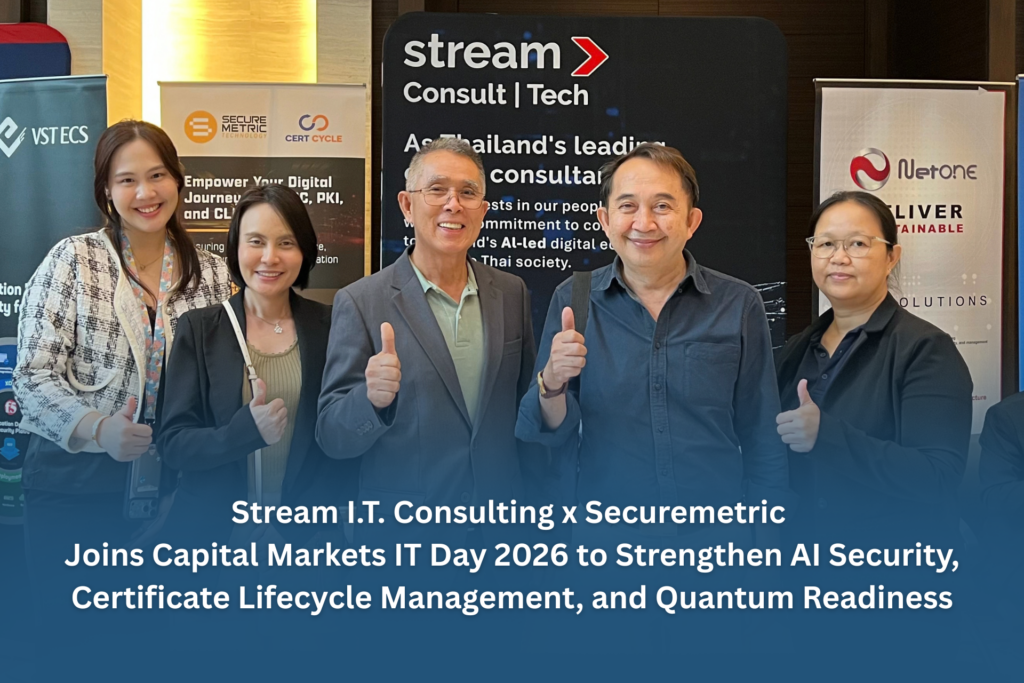
Throughout the event, experts from across the technology and cybersecurity ecosystem shared insights on a wide range of topics, including Defense-in-Depth AI Security Strategy, the use of AI to respond to emerging cyber threats, the development of more resilient digital infrastructure, and preparations for Post-Quantum Cryptography (PQC).
For organizations in the capital market sector, cybersecurity today is therefore no longer limited to protecting against current threats. It also requires building an infrastructure that can adapt over the long term—from enabling the secure adoption of AI and managing increasingly complex certificate and cryptographic environments, to preparing for the changes that Quantum Computing may bring in the future.
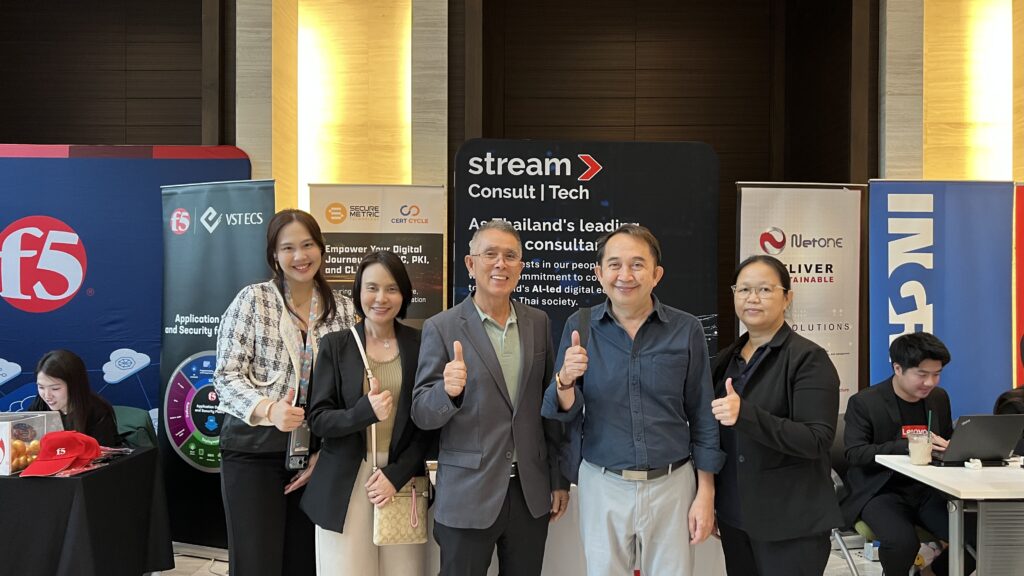
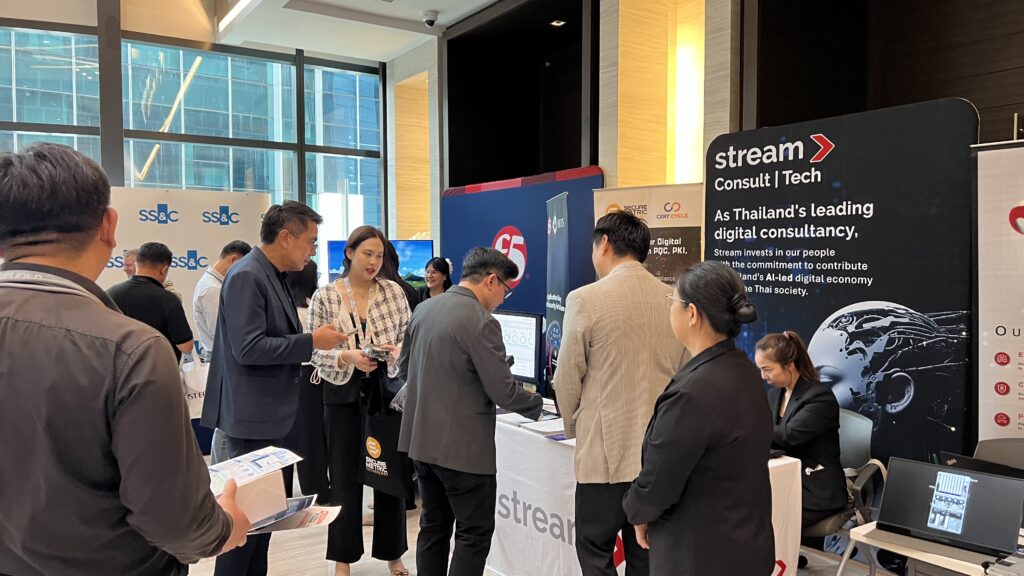
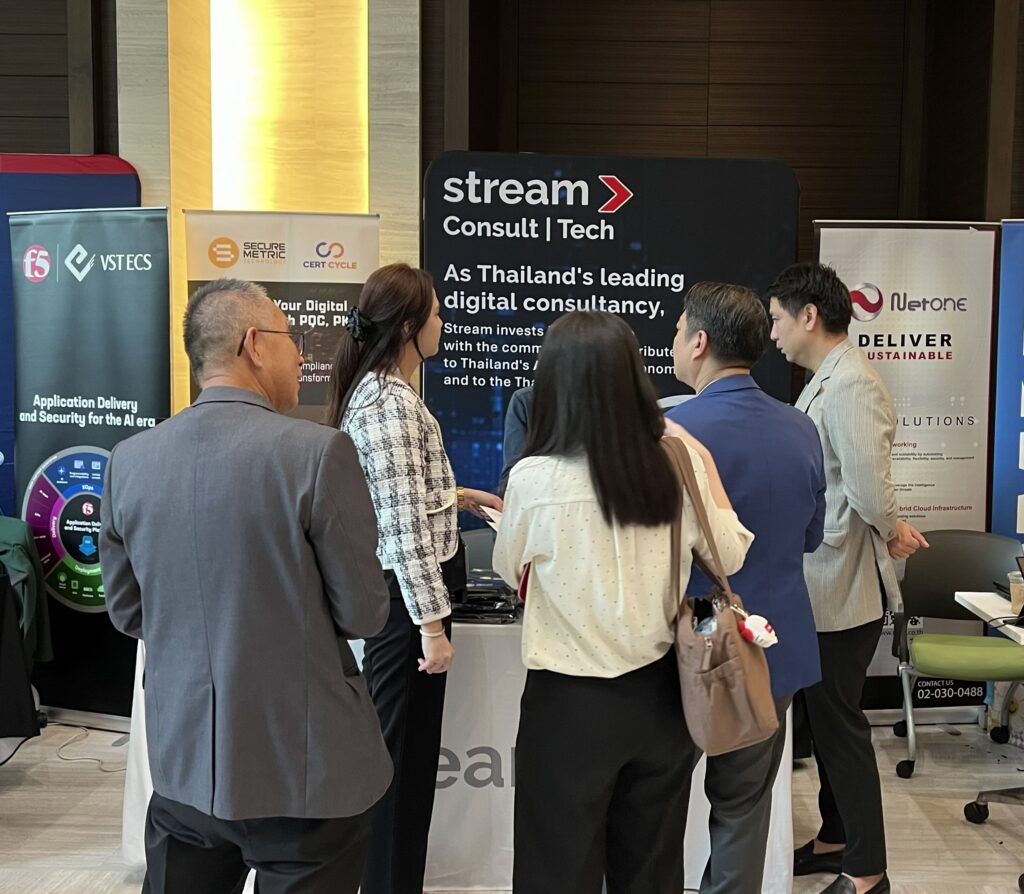
Stream I.T. Consulting and Securemetric are ready to provide consultation on building a structured approach to Digital Certificate Management, from improving visibility and control over certificates across the organization, reducing manual processes through automation, to preparing cryptographic infrastructure for future changes with a focus on Crypto Agility and Quantum Readiness.
For more information and related materials, please visit this link